Your asset should earn for you. It should not become another job.
The rent matters. So does the time spent chasing an operator, worrying about an empty month or wondering how your asset is being treated. Compare guaranteed rent with professionally managed stays, and see what each could mean for your income, workload and peace of mind.
Would 20% more net income from your property or building make a review worthwhile?
A management-income target to test after costs, not a promised return. Review your asset with our sales team.
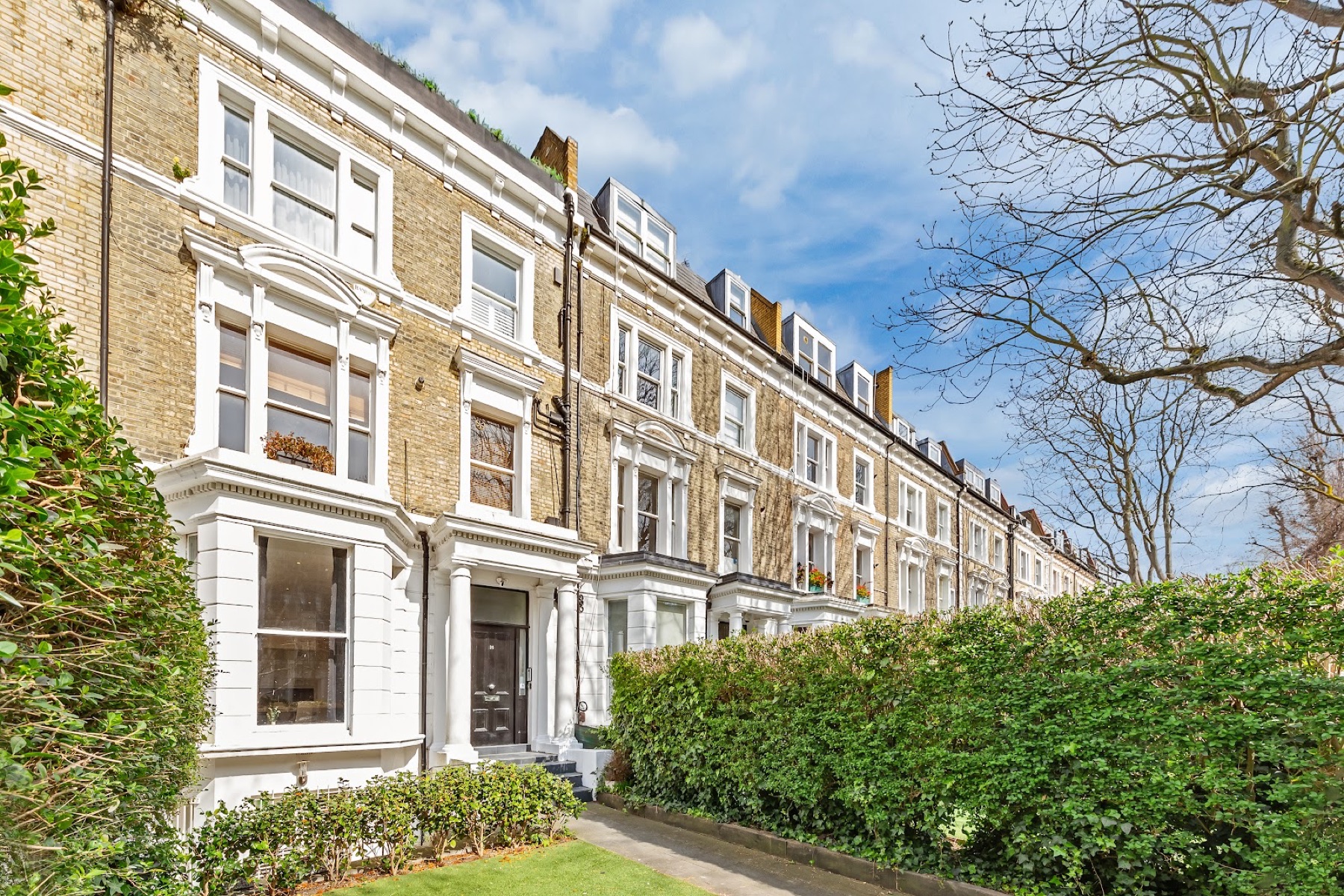
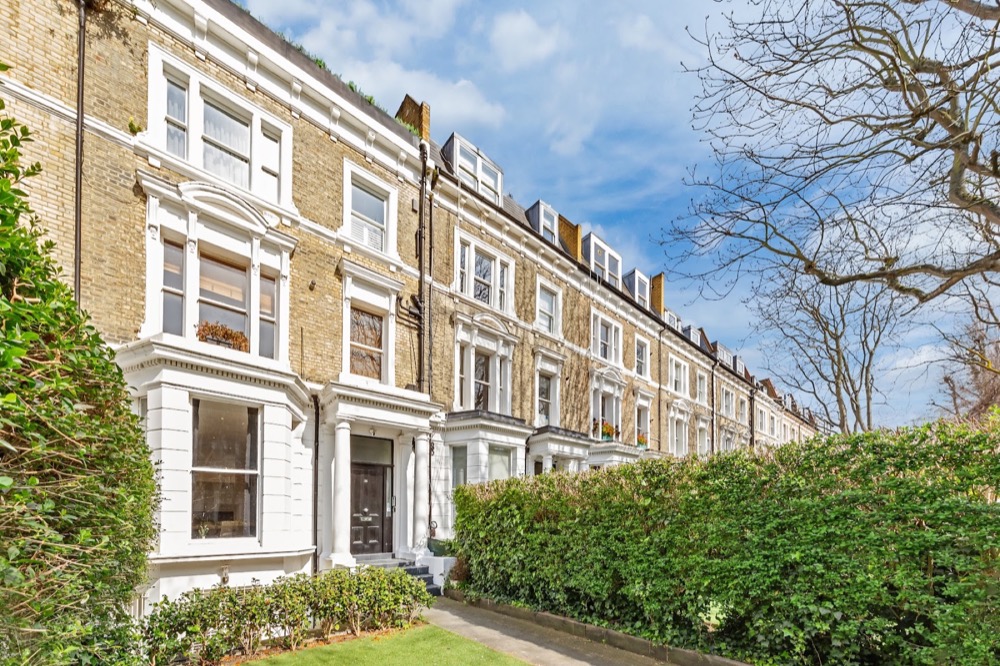
Regal interiors and exterior imagery from our existing materials. Building images illustrate the asset types we assess; they do not establish whole-building management.
A building is more than a collection of rental figures.
It is your capital, your reputation and a set of responsibilities that do not disappear when an apartment is booked.
London exterior from Regal Realms’ existing materials. Illustrative; not a claim that the whole building is managed by Regal.
20% more net income from your building?
Let’s test the opportunity without handing you a bigger operating problem.
A stronger top line means little if it creates more supplier calls, upset residents or costs you only discover afterwards. We compare what each suitable unit could leave you after costs, then agree who owns the work.
One plan for the building. Guest access, common areas, turnover standards, maintenance approvals and resident requirements agreed before launch.
The numbers at unit and building level. Compare annual net income, occupancy assumptions, setup and a lower-demand case with your current tenancy position.
A controlled first step. Assess 1–3 ready units before a wider rollout. You can judge the scope and economics before committing the whole asset.
Representing the owner? We agree communication, client ownership and any referral terms before an introduction. The owner should see a joined-up service, and you should know where you stand.
20% is an assessment target, not a guaranteed result. Suitability, permission and costs are reviewed for the actual building.
Certainty or income potential. Choose what matters to you.
Some owners want an agreed payment they can plan around. Others want the potential of managed stays. We show the responsibilities and numbers behind both.
OPTION 1
Guaranteed Rent
+10% above agreed market rent: offer target
If uncertainty is the part you want to remove, start with a fixed-rent proposal. For an approved asset, we assess an offer targeting 10% above the agreed market benchmark, with the payment commitment and responsibilities written into the agreement.
A fixed payment to plan around, under the signed rent agreement
Booking and occupancy risk handled by Regal within the agreed rent commitment
Property care responsibilities agreed, including repairs, approvals and cost limits
A clear term and exit process, so you understand the commitment before signing
If your asset has the right demand and permissions, management may offer more income potential. Keep the booking revenue after agreed costs while our team handles the guest operation, instead of adding another working day to yours.
Test a 20% net-income uplift against the tenancy alternative
Guest operations, cleaning and maintenance coordination in one agreed scope
Itemised owner costs, including platforms, cleaning, utilities and setup
Reporting you can act on, with income and deductions made clear
The +10% figure is the guaranteed-rent offer target, subject to asset assessment and a written offer. The management fee is 15% of the agreed booking-revenue base, plus VAT where applicable; other operating costs are separate. No guaranteed rent applies to a management-only agreement.
THE INCOME COMPARISON
What could the difference mean for your asset?
Worked illustrations of owner income after costs. They show the comparison you should expect from us, not claimed results from a particular owner or building.
ILLUSTRATION · FOUR-BEDROOM PROPERTY
A £6,000 rent is not £6,000 kept.
Market rent / month
£6,000
Annual owner net
£55,992
Monthly owner net
£4,666
Rent collected
95%
Start with what reaches the owner after vacancy, letting fees and relevant property costs. That is the baseline a new offer needs to beat.
ILLUSTRATION · MANAGED-STAY BASE CASE
An extra £1,184 a month, if the assumptions hold.
Average rate / night
£600
Paid nights / year
240
Monthly owner net
£5,850
Net-income uplift
+25.4%
The same illustrative asset leaves £70,200 a year after modelled costs and first-year setup. Lower demand can reverse the result; see the downside below.
ILLUSTRATION · SIX MATCHED UNITS
Across a building, the difference adds up.
Tenancy net / year
£335,952
Managed net / year
£421,200
Annual difference
+£85,248
Monthly difference
+£7,104
Six identical model units, purely for illustration. Your building needs its own unit mix, permissions, costs and occupancy assumptions, not a blanket multiplier.
Illustrations, not forecasts or historical owner results. Figures are annual operating income before mortgage and personal tax. A property-specific review can produce a lower result or favour a standard tenancy.
See the costs, guaranteed-rent illustration and downside
Tenancy: £6,000 × 12 × 95% collected = £68,400; less 12% effective letting fee (£8,208), £1,800 repairs and £2,400 other owner costs = £55,992 net/year.
Lower-demand case: £500 × 180 paid nights with the same cost rules leaves £38,070 net/year (−32.0% versus the tenancy). Average stay is five nights; each turnover costs £180. Owner costs and VAT treatment must be replaced with the actual asset’s figures.
Guaranteed-rent illustration: a £6,000/month agreed market benchmark plus 10% is £6,600/month or £79,200/year contractual rent, if that offer is approved and agreed. This is rent before retained owner costs, not a like-for-like owner-net figure or an offer for a specific property.
Paid nights above London’s conditional 90-night short-let exception require an appropriate lawful operating basis. A corporate or “mid-term” label alone does not establish it. The six-unit example multiplies the single-unit model without assuming block cost savings.
Verified Guest Reviews
Real guests, real ratings
5/5 Airbnb shown in selected reviews
10/10 Booking.com shown in selected reviews
Actual review screenshots from individual guest stays below. These are selected examples, not an aggregate rating or a guarantee of owner returns.
Bring the sales team your asset and your objective. Leave knowing what could change, what it would cost and what needs to be true before moving forward.
Share your asset
Tell us the location, size or unit count, current rent and what you want to improve. We will use those facts to prepare, not give you a generic pitch.
Meet the sales team
Book a Google Meet review of income options, asset care, responsibilities and costs. We discuss your concerns and work through the assumptions with you.
Receive an asset-specific proposal
Compare the tenancy baseline, management scenarios or an approved guaranteed-rent offer. Agree one practical next step; no commitment is needed to request a review.
Why Partner With Us
More income should not mean more things to worry about.
The real test of a partner is what happens after the asset goes live. Here is what your review and operating scope need to resolve.
Is the upside actually worth it?
Compare what remains after vacancy, fees, cleaning and upkeep. A busy calendar is not enough if your net income has not improved.
Who do I call when something goes wrong?
Agree one operating contact and an escalation route. Guest issues, cleaner coordination and maintenance requests need an accountable owner.
Will my asset be looked after?
Set presentation, inspection and turnover standards before launch. Define access, incident reporting and the insurance arrangements relevant to your asset.
Will I end up doing the work?
Our agreed scope brings routine guest operations and supplier coordination together. Owner approvals should be clear exceptions, not a constant stream of preventable requests.
Will I know what is being spent?
Itemise the fees and owner costs. Agree repair approval limits, the reporting format and how questions about deductions are resolved.
What if the first units do not perform?
For buildings, assess a focused initial group and agree review points. Use the actual service and economics to decide whether a wider rollout makes sense.
Our Services
Which income model fits your asset?
Compare certainty, upside, costs and control before choosing the route.
Guaranteed rent, agreed in writing.
You may value an agreed monthly payment more than variable booking income. We assess a guaranteed-rent proposal for your asset targeting 10% above its agreed market benchmark, then set out the term, care obligations, retained costs and exit arrangements.
A defined payment
Approved amount and payment schedule in the agreement.
Clear care obligations
Repair responsibilities and cost limits agreed before handover.
An informed commitment
Term, notice, existing commitments and exit provisions explained.
GUARANTEED-RENT OFFER TARGET
+10%
Above agreed market rent, subject to assessment and written offer
Management that earns its place.
If your asset is suitable for managed stays, the question is how much you could keep after costs. A 15% management fee plus VAT where applicable covers the agreed management scope; platform fees, cleaning and other owner costs are shown separately.
A net-income comparison
Include the tenancy baseline and a lower-demand case.
An accountable operation
Guest operations and supplier coordination in an agreed scope.
Visibility and control
Reporting, approvals and owner decisions remain clear.
MANAGEMENT FEE
15%
Plus VAT where applicable. Other operating costs itemised separately.
Short & Mid-Term Management
You own the asset. We handle the working day behind it.
A booking is only the start. The value is in everything that has to go right before arrival, during the stay and before the next guest walks in.
What We Do
Listing & presentation
A premium asset needs more than a listing. Photography, positioning and listing detail should show why it is worth booking, while setting the right guest expectations.
Pricing & revenue decisions
An empty night and a cheap booking both cost you. We review demand, seasonality and the booking position, aiming for better owner income, not occupancy at any price.
Guest communication & arrivals
Questions, access and arrival problems should not become your evening job. Our team coordinates guest communication and check-in within the agreed service scope.
Cleaning & turnover
One missed detail can undo a good stay. In-house cleaning, linen coordination and completion checks prepare the asset for the next arrival and make standards visible.
Maintenance & asset care
Your asset needs protecting, not just filling. We coordinate inspections and issues, escalate decisions and work to agreed repair approvals so you retain control of spending.
Owner reporting & guest feedback
You should not have to chase to understand performance. Agreed reporting explains income and deductions; guest feedback helps identify recurring issues and improve the stay.
Why Landlords Work With Regal Realms
Potential upside: assess annual net income, not gross booking revenue
Day-to-day management: guests, bookings and turnover coordination
Written pricing: management fee, VAT and other costs shown separately
Property standards: presentation and operating checklists
Prime London focus: review property-specific demand
Would 20% more net income from your asset make a review worthwhile?
Tell us what you own and what it currently returns. The sales team will compare what you could keep after costs against a standard tenancy, so you can see whether a change makes sense.
In-house cleaning, maintenance coordination and property operations, supported by three warehouses. We agree responsibilities and reporting for each property.
Our team · 11 sec · silent film
Our team preparing a London property. Open video ↗
In-house
Cleaning operation
Branded
Fleet & equipment support
In-house
Maintenance coordination
Guesty
Property operations tools
International Guest Network
Protect the income. Protect the asset.
The wrong operating plan can create more problems than it solves. We check the asset’s position before asking you to commit.
Know what you are handing over.
Your concerns should be answered before the first guest arrives, not when an issue lands in your inbox.
Who can approve use of the asset, and what consents are needed?
Who controls access, monitors condition and deals with resident concerns?
Which repairs need your approval, and which costs stay with you?
How will you see performance, deductions and outstanding issues?
A plan you can stand behind.
We review the asset’s planning position, lease, insurance and building requirements alongside the income assumptions. If a permission or cost changes the opportunity, you should know before signing.
London’s short-let exception is conditional and limited to 90 nights a year. More nights need an appropriate lawful basis; a corporate or “mid-term” label does not automatically provide one.
Clear responsibilities and a realistic cost picture belong in every management proposal.
?
How is the property protected?
We agree screening, inspections, incident reporting and insurance requirements. Platform protections have conditions and are not a substitute for suitable cover.
?
Who handles cleaning?
Our in-house cleaning operation works to an agreed scope, checklist and turnover schedule. Cleaning and linen costs are shown in the proposal.
?
Who handles maintenance?
We coordinate through our in-house structure. Approval thresholds, repair costs and response arrangements are agreed in advance.
?
What happens if an issue arises?
The operating plan defines contacts, escalation and responsibilities. We do not promise that every issue can be resolved the same day.
?
Do I need to manage guests?
We handle routine guest communication within the agreed management scope, with owner decisions escalated when required.
?
How and when do I get paid?
Your agreement defines the fee base, deductions, reporting and payout timetable. A management arrangement does not guarantee rent.
?
Can I still use the property myself?
Personal-use dates can be agreed subject to existing bookings and the management terms. They also affect the income forecast.
Common Questions
Frequently Asked Questions
No. It is a target to test in the income review. We compare annual net operating income after relevant costs and show a downside case. Some properties will be better suited to a tenancy.
Owners fund agreed setup, furnishing and property costs. The proposal separates management fees from platform charges, cleaning, utilities, repairs and other costs, including VAT treatment.
We focus on suitable furnished properties in prime London, including Mayfair, Kensington and Knightsbridge. Larger well-presented homes are of interest, but demand, permissions and owner economics decide the fit.
Yes. We assess unit-level income potential and building requirements, often starting with a small group of ready units. Managing-agent relationships and any referral terms are agreed in writing.
Term, notice, exit arrangements and existing reservations need to be agreed in the management contract before you commit. Discuss any planned sale or personal use during the review.
We check the specific use, consents and conditions. London’s conditional 90-night exception is not blanket permission for year-round short lets. A corporate booking or “mid-term” label does not automatically make the use lawful. Specialist property advice may be required.
Free income review · No obligation
See what your asset could earn and what you could stop doing.
Bring the sales team your current position and your priorities. We will help you compare income, workload and asset care, then agree a clear next step.